Master Program Science of Materials

Discover this program

Materials science is a key enabling discipline of the 21st century, underpinning solutions in energy, digital technologies, sustainability, and health. It focuses on designing and controlling materials at the atomic scale and transforming them into functional systems, making it inherently interdisciplinary across physics, chemistry, engineering, and data science.

The Master’s program Science of Materials at Humboldt-Universität zu Berlin trains the next generation of scientists and innovators by combining excellent teaching with cutting-edge research and early integration into international research groups. It prepares graduates for careers in academia, industry, and innovation-driven sectors.

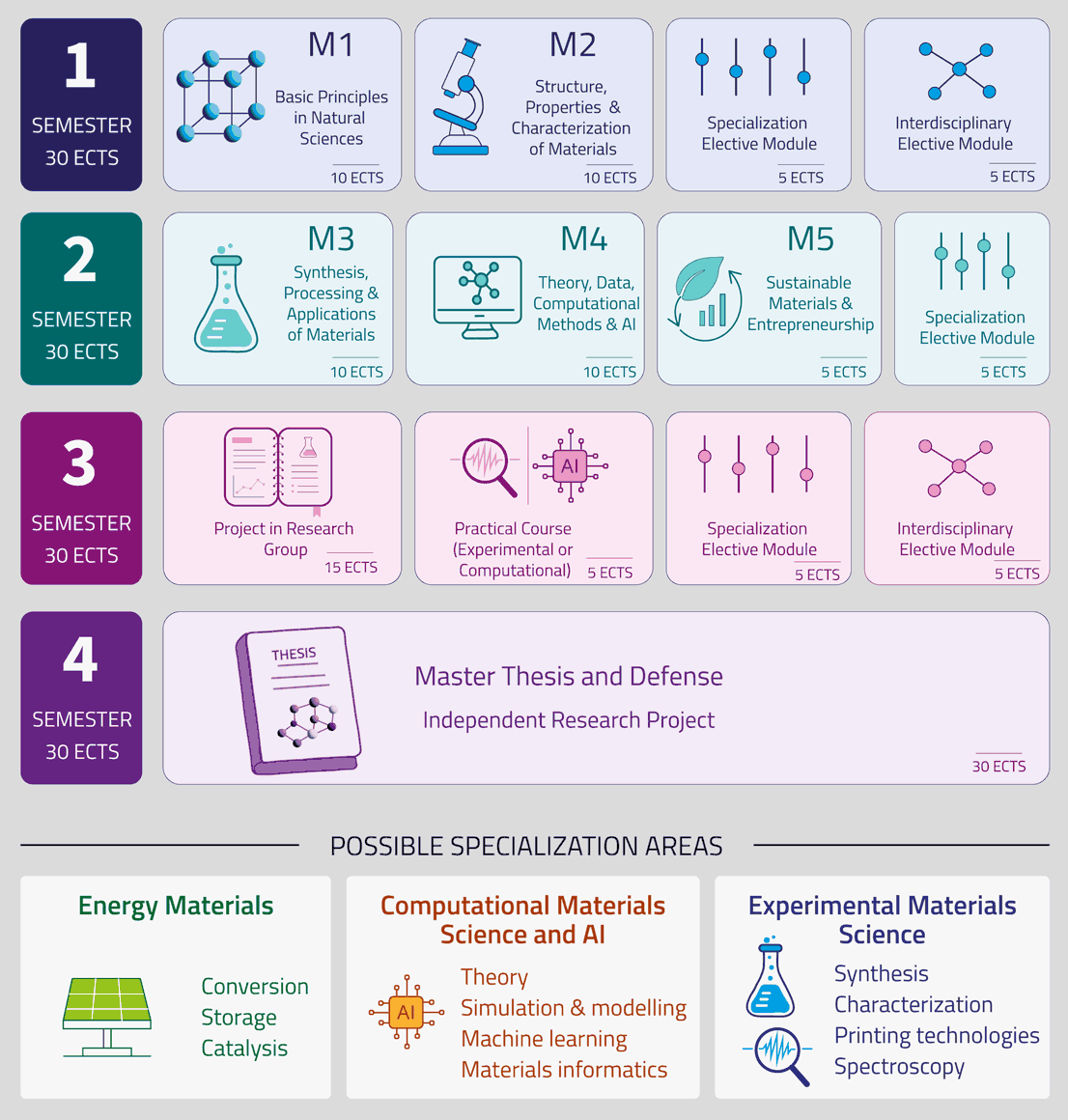
M1

Basic principles in Natural Sciences

10 ECTS

M2

Structure, Properties & Characterization of Materials

10 ECTS

Overarching Elective Module

5 ECTS

🎚️

Elective
module

5 ECTS

M3

Synthesis, Processing & Applications of Materials

10 ECTS

M5

Theory, Data, Computational Methods and AI

10 ECTS

M5

Sustainable Materials & Entrepreneurship

5 ECTS

🎚️

Elective
module

5 ECTS

🔬

Research Course / Research Project in Active Research Groups

15 ECTS

🎚️

Elective
module

5 ECTS

Overarching Elective Module

5 ECTS

🖥️

Practical Course (Experimental or Computational)

10 ECTS

🎓  Master Thesis + Defense

Independent Research Project


30 ECTS

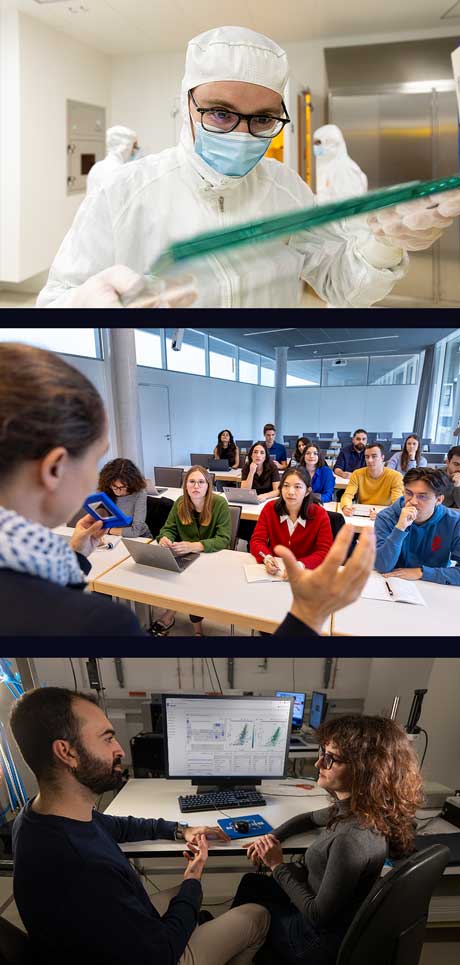
The curriculum covers the full materials chain from synthesis and characterization to simulation and device functionality, including computational methods and machine learning. Research projects are integrated throughout the program, ensuring hands-on experience with real scientific challenges.

The program is fully taught in English and internationally oriented, with strong mentoring structures and a collaborative research culture. Graduates are prepared for diverse careers across academia, industry, and technology development.

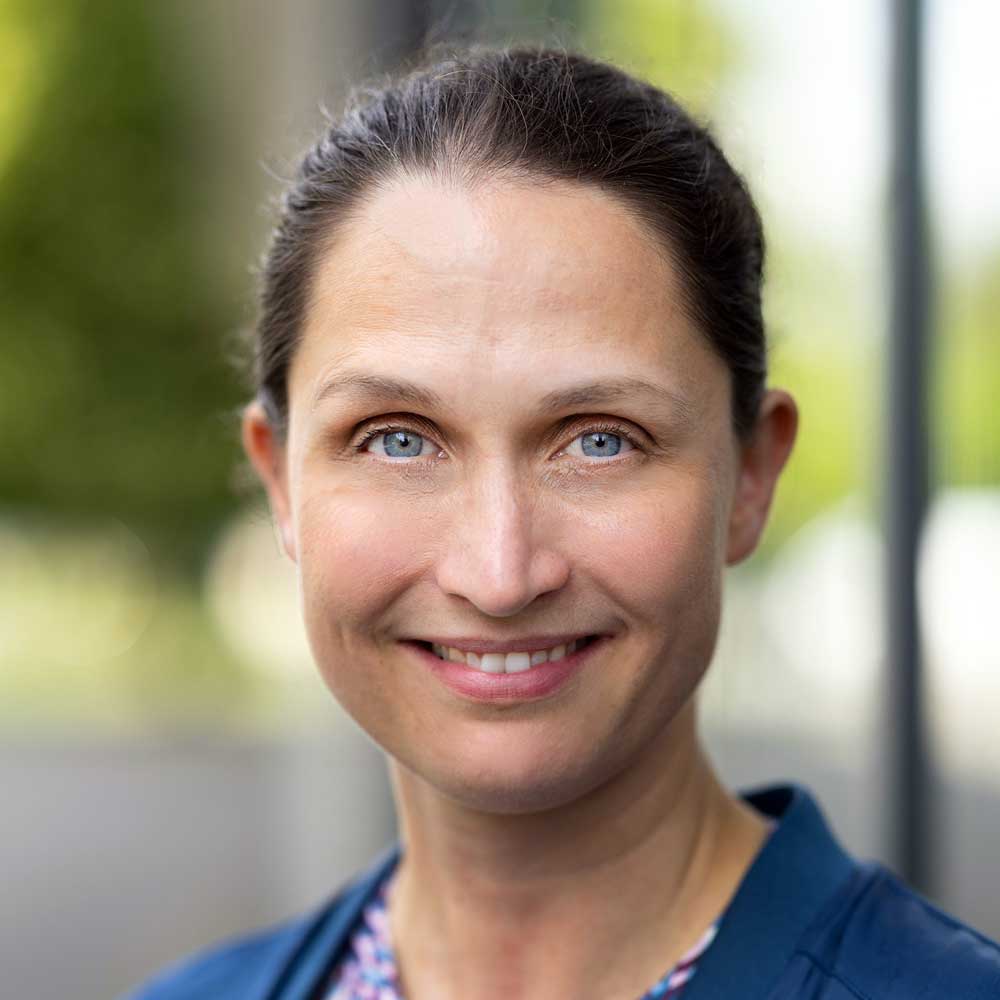
In the master program, students can expect teaching from outstanding scientists in the field of material science.
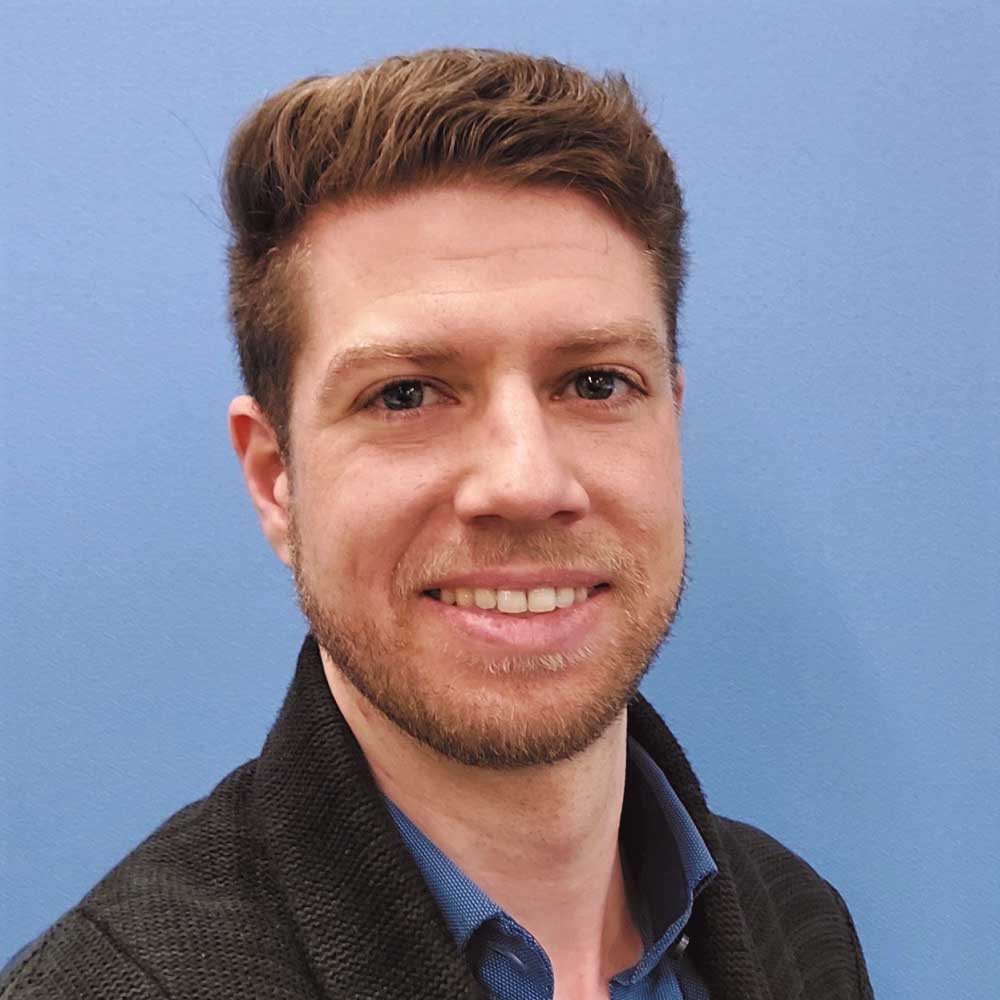
Benedikt Haas

Dr. Benedikt Haas

Why here

Berlin is one of Europe’s most dynamic science and innovation hubs, where fundamental research and real-world application sit unusually close to each other. The city brings together universities, research institutes, and industry in a way that naturally fosters collaboration across disciplines and cultures. For students, this means studying in an environment where ideas do not stay in the lecture hall but constantly connect to active research and technological development.

Based at the Adlershof campus, the program is embedded in one of Europe’s leading materials science environments, including strong partners such as Helmholtz-Zentrum Berlin, Leibniz Institute for Crystal Growth, and BAM. Students gain access to world-class infrastructure including synchrotrons, clean rooms, and advanced microscopy.

Adlershof is an amazing place to work and study because it brings scientists from all disciplines into one area.
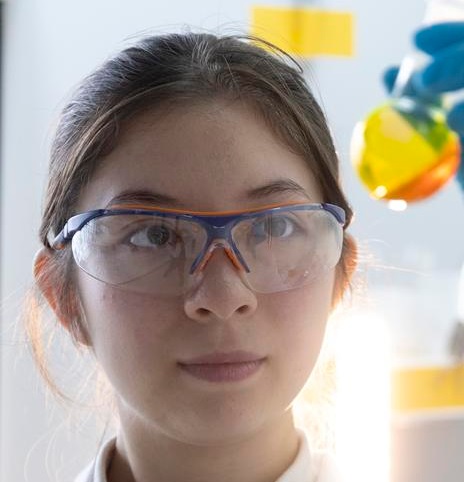
kiley

Dr. Kailey Sun Marcus

Who guides you

You study and work in close proximity to internationally recognised scientists who are actively shaping the future of energy and materials research. Teaching and supervision are not separated from cutting-edge research, but deeply integrated into it.

Below is a selection of lecturers and mentors whose research and teaching reflect the breadth of scientific perspectives you may encounter throughout the programme.

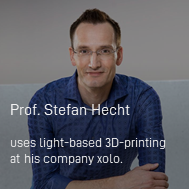
Prof. Stefan Hecht

uses light-based 3D-printing at his company xolo.

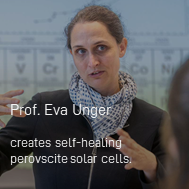
Prof. Eva Unger

creates self-healing perovscite solar cells.

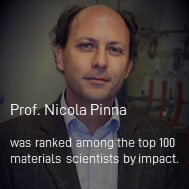
Prof. Nicola Pinna

was ranked among the top 100 materials scientists.

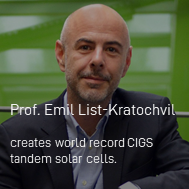
Prof. Emil List-Kratochvil

creates world record tandem solar cells.

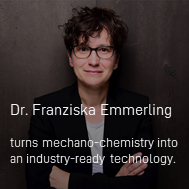
Prof. Franziska Emmerling

turns mechanochemistry into an industry-ready technology.

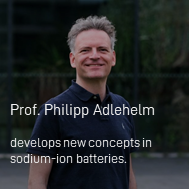
Prof. Philipp Adelhelm

is one of the leading international experts in the field of sodium-ion batteries.

Why now

As part of the very first cohort of this new programme, you will join a group of highly motivated students who share a strong curiosity for materials science and a drive to explore the unknown. You will not be entering an established routine, but helping to shape it from the beginning.

This is a rare opportunity to become part of something that is still forming – to influence its culture, its energy, and its direction. Being among the first means working closely together, learning intensely, and growing into a community defined by ambition and collaboration.

We are looking for pioneers: people who are willing to take initiative, ask new questions, and help define what this programme will become. If you join now, you are not just studying materials science – you are helping to build it.

What's after

After a master in science of materials, possible paths may include research in institutes or universities, working on topics such as next-generation batteries, perovskite solar cells, lightweight alloys, or biomedical polymers, often within international collaborative projects. Other graduates may move into industrial research and development, where materials become products such as semiconductor components, coatings, sensors, or sustainable packaging, with Berlin’s startup ecosystem adding a more agile and prototype-driven environment.

Another possible direction is pursuing a doctoral degree (PhD equivalent) at a university or other higher-education institution, allowing for deeper specialisation and independent research. Materials science can also lead towards computational and data-driven materials design, simulation and machine learning, or fields such as consulting, patents, and technology transfer between science and industry. In practice, the degree can open access to a broad range of scientific and technological fields connected by a shared understanding of how materials behave across scales.
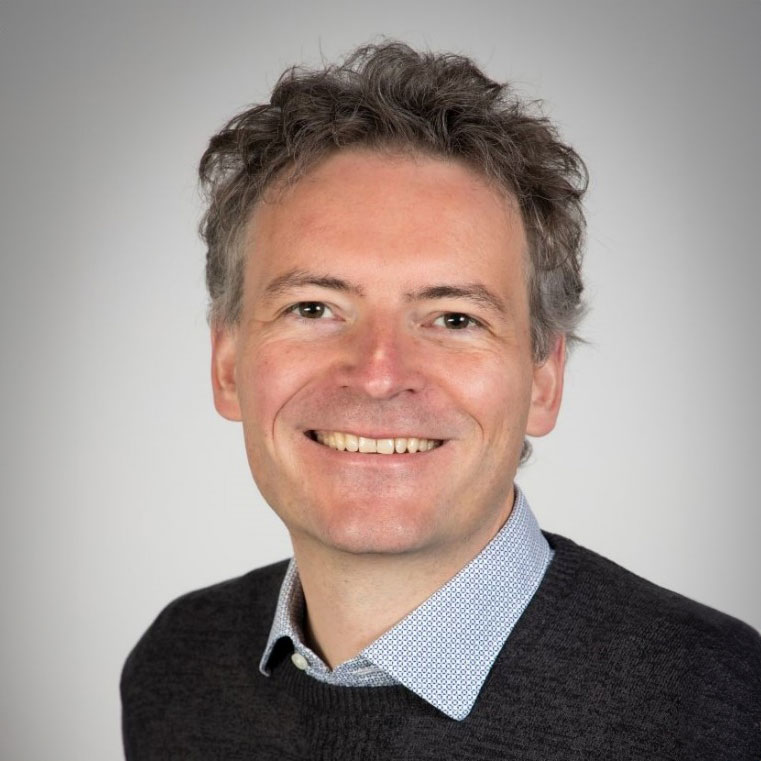
As a graduate of the master program, you qualify for a career in research in the automotive industry or the chemical industry, but also for a career in the startup scene in Berlin, one of the most vibrant cities in Europe.
Philipp_Adelhelm

Prof. Dr. Philipp Adelhelm

How to Apply

Depending on where you obtained your previous university degree, different application deadlines and routes may apply. As a simplified guideline, applicants with an international Bachelor’s degree should apply via uni-assist by around 28 June, while applicants with a German Bachelor’s degree should apply directly to Humboldt-Universität zu Berlin by around 31 August.
Since deadlines and admission requirements may change, please make sure to check the latest official information via the links below.

I am very much looking forward to seeing you all coming to my classes next term.
Eva_Unger

Prof. Dr. Eva Unger

Good to know

Where can I get support?
The Compass hotline provides initial information for all students. The Welcome Centre offers a curated overview of key information on general questions, provides support online and holds weekly consultations, especially for international students.

Do I need German?
No. However, learning some German can be helpful in everyday life, since “A little learning makes the whole world kin.” (Mark Twain, The Awful German Language)

How much does it cost? 
No tuition fees are charged, but a small contribution of about 350€ per semester, including a public transport ticket.

Do I need a visa?
Probably, depending on your nationality. More info here.

How do I find a flat?
With luck and patience. Here’s a guide.

Do I have deadlines?
Yes! Please read the How to apply section carefully and do the questionaire there.

What scientific background do I need?
You need a Bachelor’s degree in chemistry, physics, biochemistry, biophysics, materials science, or a related engineering field with strong foundations in chemistry or physics.
A comparable Master’s degree may also qualify.

Scroll to Top