Sweet Layers
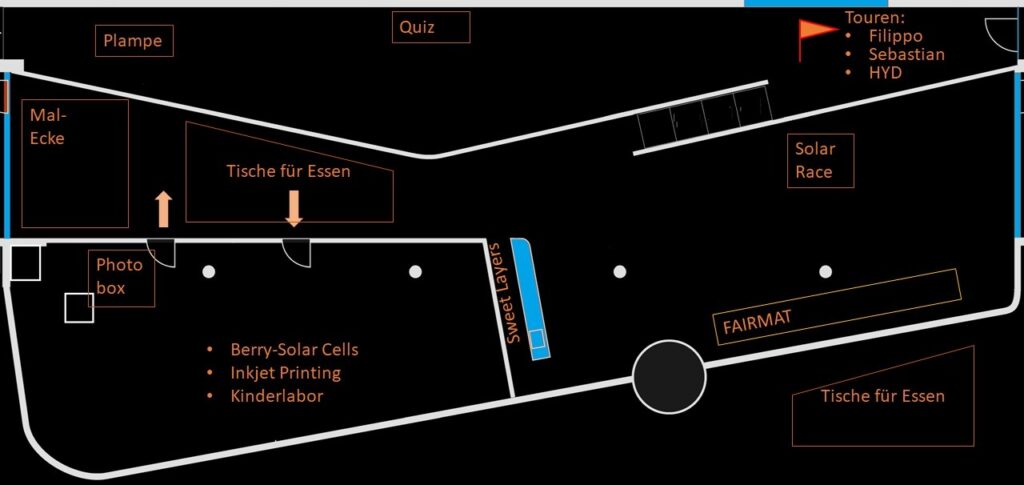
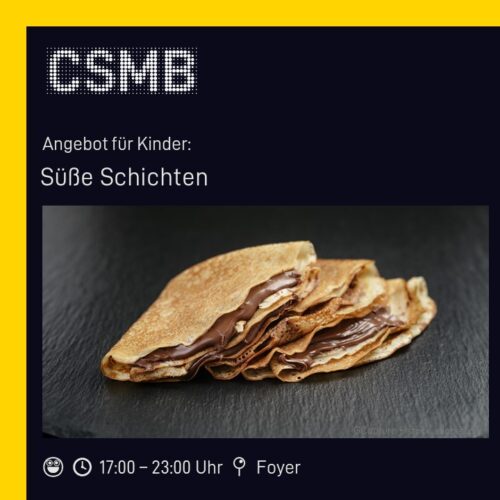
In our interactive workshop, we demonstrate the art of coating processes—which we use in the production of solar cells and other innovative applications—through the creation of delicious crêpes. In particular, slot-die and doctor-blade coating techniques give us fascinating insights into the world of materials science and renewable energy. But that’s not all—once we’ve revealed the secrets of perfect layering, you can, of course, enjoy your own homemade treats!
Foyer; 17:00-22:00 🧒🧑🦽
The Fantastic Kids’ Lab
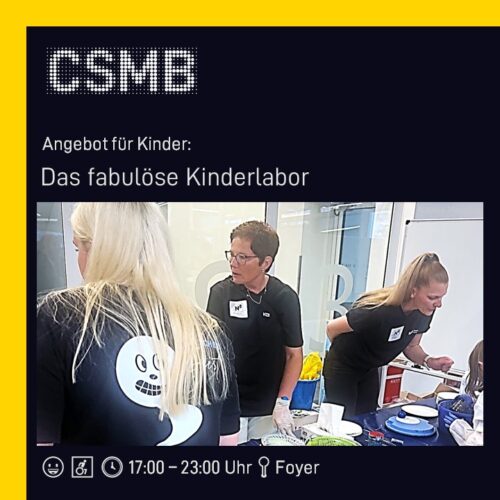
Welcome to the Fantastic Kids’ Lab! Wearing lab coats, safety goggles, and gloves, children step into the role of real scientists. In a miniature glovebox, they mix colorful “chemical” solutions and assemble a 3D-printed solar cell—learning hands-on and playfully how research works and how solar energy is created.
Foyer; 17:00-23:00 🧒🧑🦽
Invisible Landscapes: The Beauty of Molecules on Surfaces
How do molecules organize on surfaces? By using Atomic Force Microscopy (AFM) and Scanning Tunneling Microscopy (STM), we are able to visualize individual molecules in real space on atomically flat surfaces. With a simple in-house model and live images, we explain how these techniques work and why they are so important for science. Children are invited to explore the nanoworld via a simple experiment – for up to 8 participants.
Foyer; 18:30-22:30 🧒🧑🦽🇬🇧

Solar Race
Can berries generate electricity?
Ready, set, sun! In the Solar Race, children use real solar panels to power their little cars. By experimenting and tinkering, they discover how sunlight sets things in motion, make their cars faster, and compete against each other in an exciting solar-powered race.
Foyer; 17:00-23:00 🧒🧑🦽
The World of Colorful Molecules
What do glow sticks, sunscreen, and 3D printing have in common? Light! In exciting hands-on experiments, we show how photochemistry, the interaction between light and molecules, accompanies us in our everyday lives. A colorful experience – for up to 10 participants!
Foyer; 18:00-22:00 🧒
PlanckPlay – Physics United
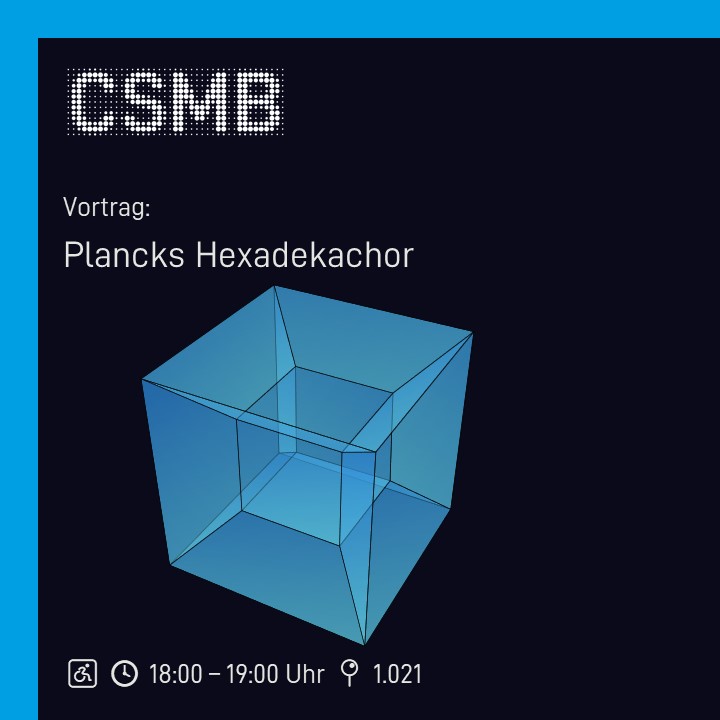
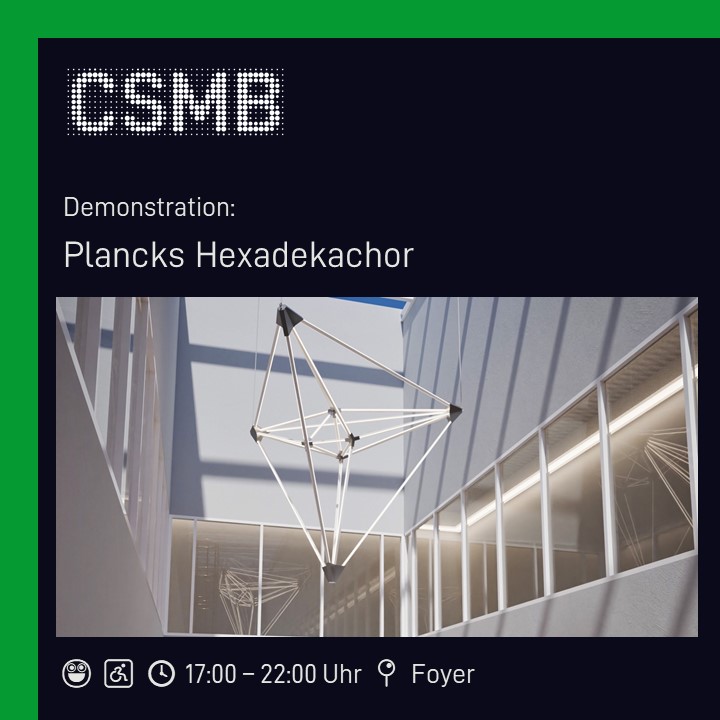
PlanckPlay is a 3D-printed representation of the sixteen tetrahedra that form the Planck’s Hexadecachoron — a 4D metamodel of physics. It shows how physical theories get together, based on the four fundamental constants introduced by Max Planck in 1900: G, c, h, and kB. PlanckPlay is also a tangible and engaging educational tool. Each puzzle piece represents a theory or area of physics — and invites you to discover the connections for yourself.
Foyer; 17:00-21:00 🧒🧑🦽
Inkjet Printing Lab
In our interactive workshop, we demonstrate the art of coating processes—which we use in the production of solar cells and other innovative applications—through the creation of delicious crêpes. In particular, slot-die and doctor-blade coating techniques give us fascinating insights into the world of materials science and renewable energy. But that’s not all—once we’ve revealed the secrets of perfect layering, you can, of course, enjoy your own homemade treats!
Foyer; 17:00-22:00 🧒🧑🦽
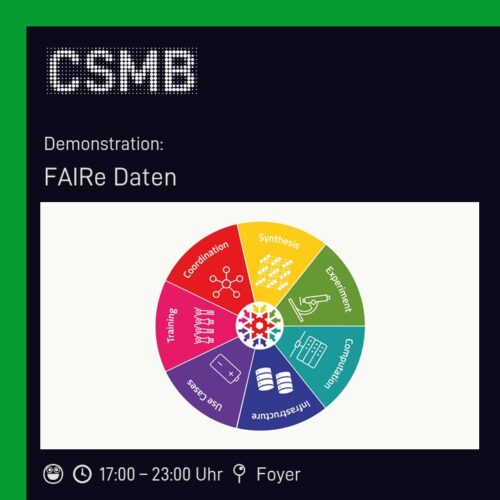
FAIR Data – How Does It Work?
Visit us at our booth during the Long Night of Science and dive into the world of research data. Playfully discover what information and infrastructure are needed to store, explore, and analyze data, and the role programming plays in the process. See for yourself what fair, digital research data management looks like—fun for young and old alike!
Foyer; 17:00-23:00 🧒🧑🦽
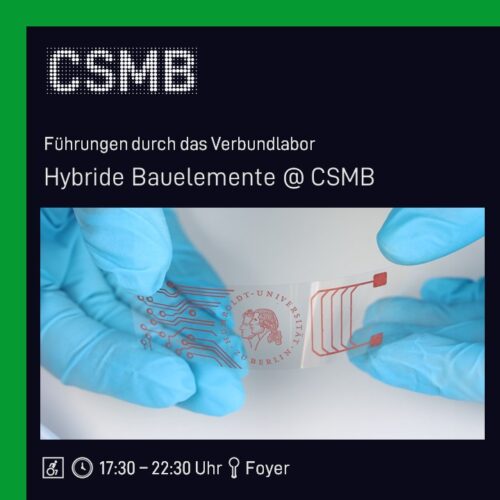
At CSMB,
you have the opportunity to join a guided tour of the integrated laboratory. There, you will learn how scientists use these highly complex systems and instruments to fabricate hybrid devices, such as perovskite solar cells. You will also have the chance to ask researchers questions about their work and exchange ideas with them on the topic of “materials of the future.”
Foyer; 17:30-22:30 🧒
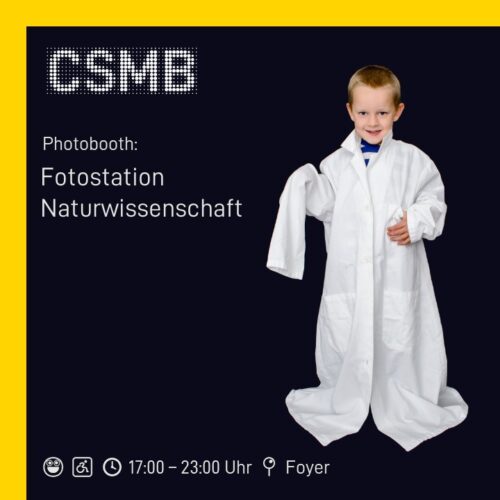
Little Scientists Photo Booth
At our Photo Boot Box, children can step into the role of scientists! With lab coats, safety goggles, and scientific accessories, they transform into little researchers. Parents can capture this special moment with a keepsake photo.
Foyer; 17:00-23:30 🧒🧑🦽
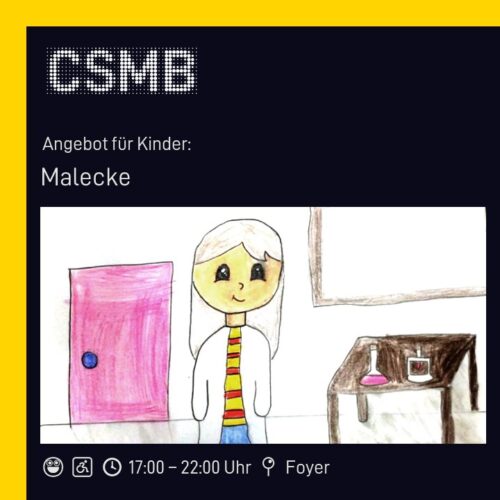
Coloring corner
We have found that many children need a little break from time to time, especially in the later evening. Our art corner with paper and colored pencils provides them with a creative retreat to process their experiences, relax, and recharge.
Foyer; 17:00-23:00 🧒🧑🦽
Berry-Powered Solar Cells
Can berries generate electricity?
At this colorful station, children create their own organic solar cells using juices, teas, and other natural ingredients. Through mixing, painting, and experimenting, they discover how colors from nature capture light and turn it into energy—science that inspires wonder!
Foyer; 17:00-22:00 🧒🧑🦽
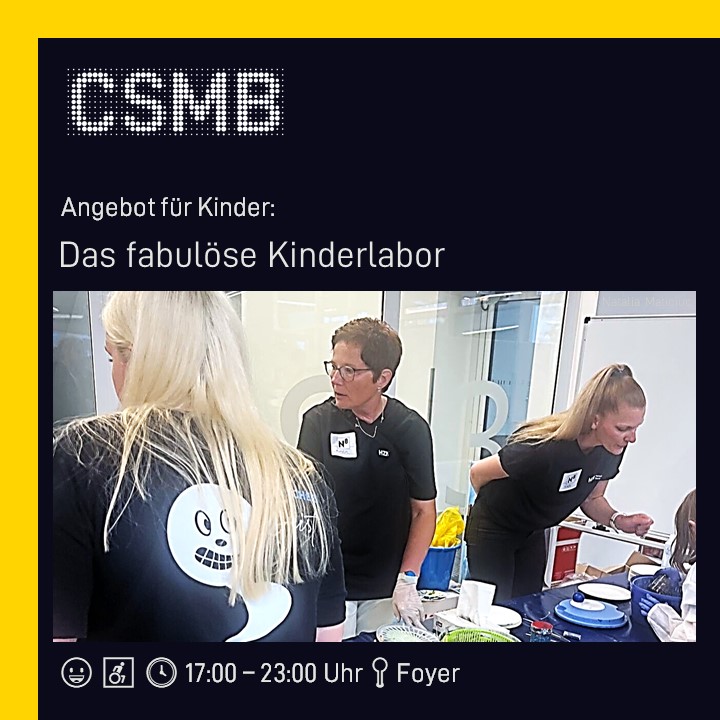
The Fantastic Kids’ Lab
Welcome to the Fantastic Kids’ Lab! Wearing lab coats, safety goggles, and gloves, children step into the role of real scientists. In a miniature glovebox, they mix colorful “chemical” solutions and assemble a 3D-printed solar cell—learning hands-on and playfully how research works and how solar energy is created.
Foyer; 17:00-23:00 🧒🧑🦽
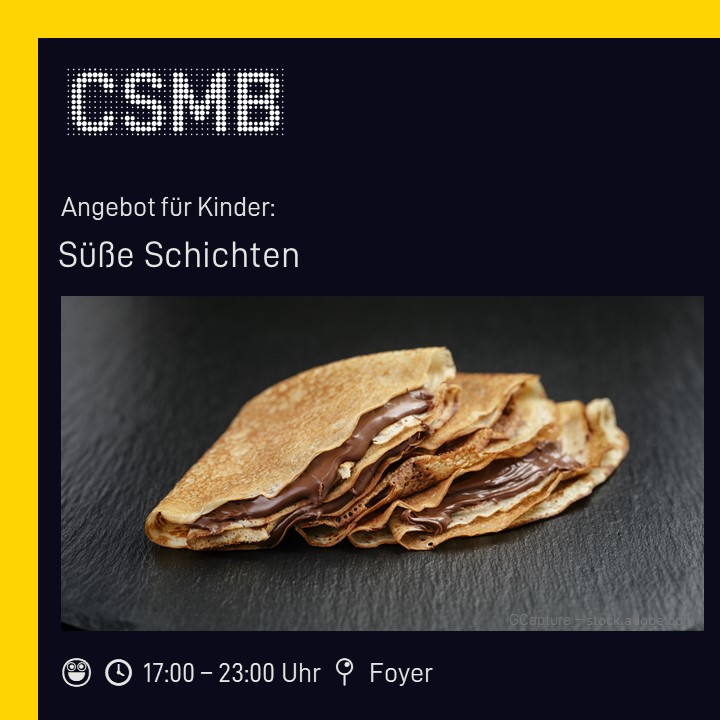
Sweet Layers
In our interactive workshop, we demonstrate the art of coating processes—which we use in the production of solar cells and other innovative applications—through the creation of delicious crêpes. In particular, slot-die and doctor-blade coating techniques give us fascinating insights into the world of materials science and renewable energy. But that’s not all—once we’ve revealed the secrets of perfect layering, you can, of course, enjoy your own homemade treats!
Foyer; 17:00-22:00 🧒🧑🦽
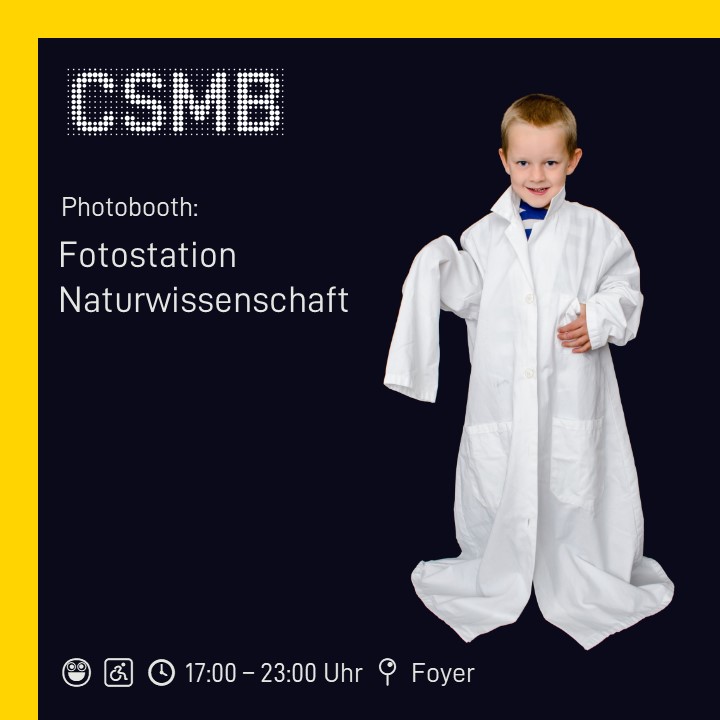
Little Scientists Photo Booth
At our Photo Boot Box, children can step into the role of scientists! With lab coats, safety goggles, and scientific accessories, they transform into little researchers. Parents can capture this special moment with a keepsake photo.
Foyer; 17:00-23:30 🧒🧑🦽
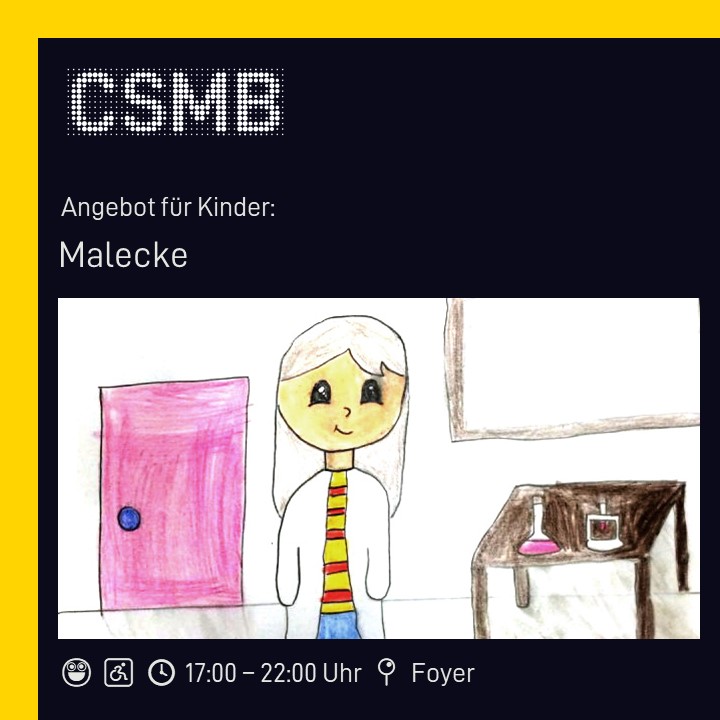
Coloring corner
We have found that many children need a little break from time to time, especially in the later evening. Our art corner with paper and colored pencils provides them with a creative retreat to process their experiences, relax, and recharge.
Foyer; 17:00-23:00 🧒🧑🦽
At CSMB,
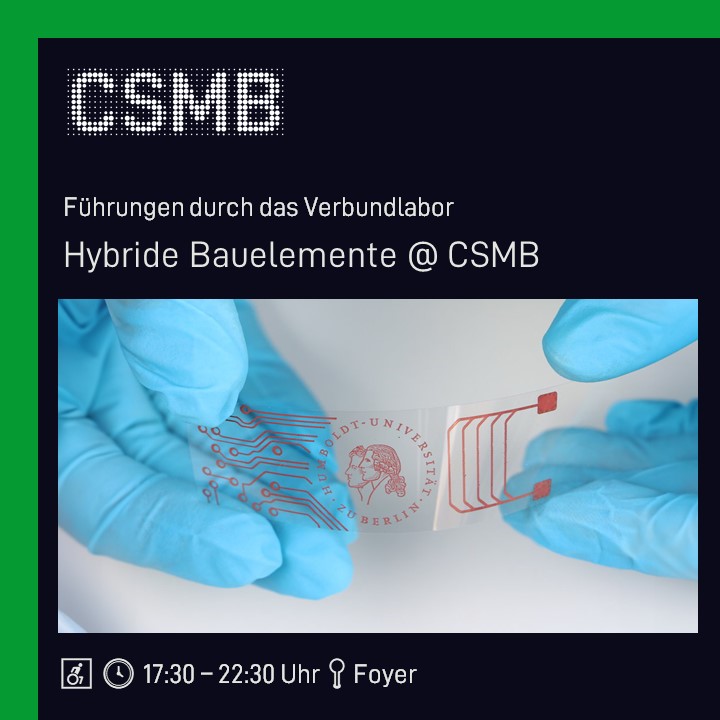
you have the opportunity to join a guided tour of the integrated laboratory. There, you will learn how scientists use these highly complex systems and instruments to fabricate hybrid devices, such as perovskite solar cells. You will also have the chance to ask researchers questions about their work and exchange ideas with them on the topic of “materials of the future.”
Foyer; 17:30-22:30 🧒
FAIR Data – How Does It Work?
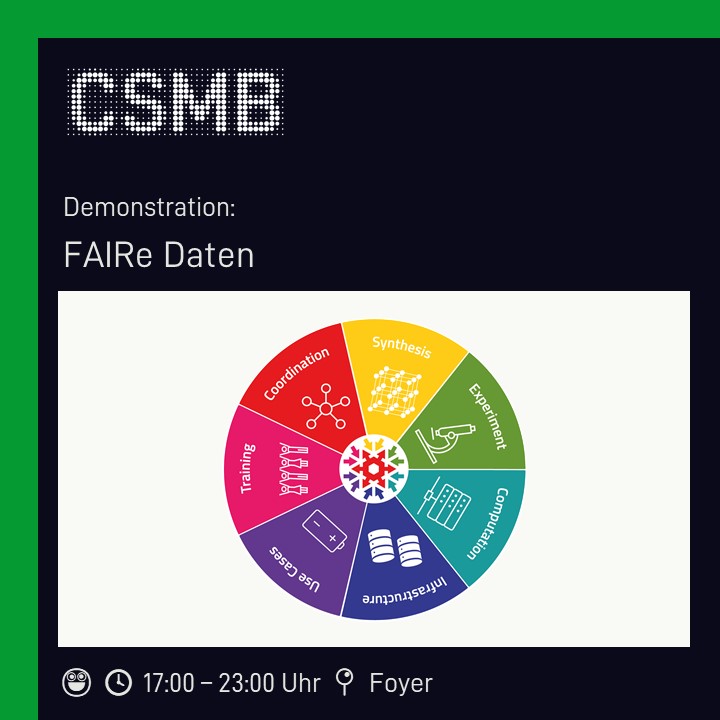
Visit us at our booth during the Long Night of Science and dive into the world of research data. Playfully discover what information and infrastructure are needed to store, explore, and analyze data, and the role programming plays in the process. See for yourself what fair, digital research data management looks like—fun for young and old alike!
Foyer; 17:00-23:00 🧒🧑🦽